August 7, 2026
As summer temperatures reach their peak, maintaining a reliable and effective indoor cooling system becomes a top priority for homeowners. While many people focus on choosing a well-known brand or selecting a system with a high efficiency rating, the secret to achieving consistent home comfort goes much deeper than the equipment alone. A cooling system is only as good as the precision behind its setup. According to data provided by the U.S. Department of Energy, nearly 88% of American households rely on air conditioning to stay comfortable during the hottest months of the year. However, relying on cooling equipment is only half the battle; ensuring that equipment is engineered and integrated correctly is what truly dictates performance. While scheduling routine air conditioner service helps maintain equipment over time, no amount of maintenance can overcome the inherent flaws of a poor initial setup. True energy efficiency, balanced airflow, and long-term system reliability stem directly from professional installation and custom-designed ductwork.
Calculating Exact Sizing Requirements
One of the most critical steps in any professional cooling installation is performing precise load calculations, commonly known in the industry as a Manual J calculation. Amateurs or inexperienced contractors often rely on simple square-footage estimates, leading to improperly sized equipment. Sizing an AC unit is a delicate science that accounts for square footage, insulation levels, window orientation, ceiling heights, local climate trends, and household occupancy. Installing a unit that is too large causes "short cycling," where the system turns on and off rapidly without running long enough to remove humidity from the air. Conversely, an undersized unit runs continuously without ever reaching the set temperature, drastically increasing energy consumption and putting severe stress on internal components. Proper sizing right from the start protects your investment and minimizes the need for frequent, emergency air conditioner service calls down the road.
Balancing Airflow and Static Pressure
An air conditioning system relies on a careful balance between air intake, cooling capacity, and air distribution. Static pressure—the resistance to airflow within the duct system—plays a central role in how effectively a unit operates. If static pressure is too high due to undersized ducts or restrictive grilles, the blower motor must work significantly harder to push air through the home. This added resistance can cause components to overheat, create excessive operating noise, and lead to premature blower motor failure. Professional technicians measure static pressure and adjust fan speeds during installation to ensure that air moves freely and quietly throughout the structure. Achieving this delicate balance ensures that the system operates within its intended mechanical parameters, allowing your ongoing air conditioner service to remain strictly preventive rather than reactive.
Designing Custom Ductwork Networks
Ductwork serves as the circulatory system of your cooling infrastructure, and its design dictates how effectively conditioned air reaches every room in your home. A poorly engineered duct system featuring sharp turns, excessive flex ducting, or mismatched trunk lines creates severe airflow bottlenecks that starve specific areas of cool air. Professional HVAC installers custom-design duct layouts to minimize resistance and optimize velocity. By strategically placing supply registers and return grilles, experts ensure that warm air is efficiently pulled out of living spaces while cool air is evenly distributed. Investing in a tailored duct network ensures that your cooling equipment doesn't have to fight against its own distribution channels to keep your home at a comfortable temperature.
Sealing Connections for Maximum Efficiency
Even the highest-performing cooling unit will fail to deliver results if the air it cools leaks out before reaching your living areas. Defective or unsealed ductwork can waste conditioned air into unconditioned spaces like attics, basements, or crawlspaces. During a professional installation, technicians systematically seal every joint, connection, and seam using durable mastic sealant or specialized foil-backed tape, rather than standard duct tape, which degrades quickly over time. In addition to preventing costly air loss, sealed ductwork keeps dust, insulation fibers, and outdoor allergens from being pulled into the system and circulated through your home. By protecting indoor air quality and maintaining system pressure, sealed ductwork reduces the overall workload required during routine air conditioner service visits.
Optimizing Refrigerant Line Charging
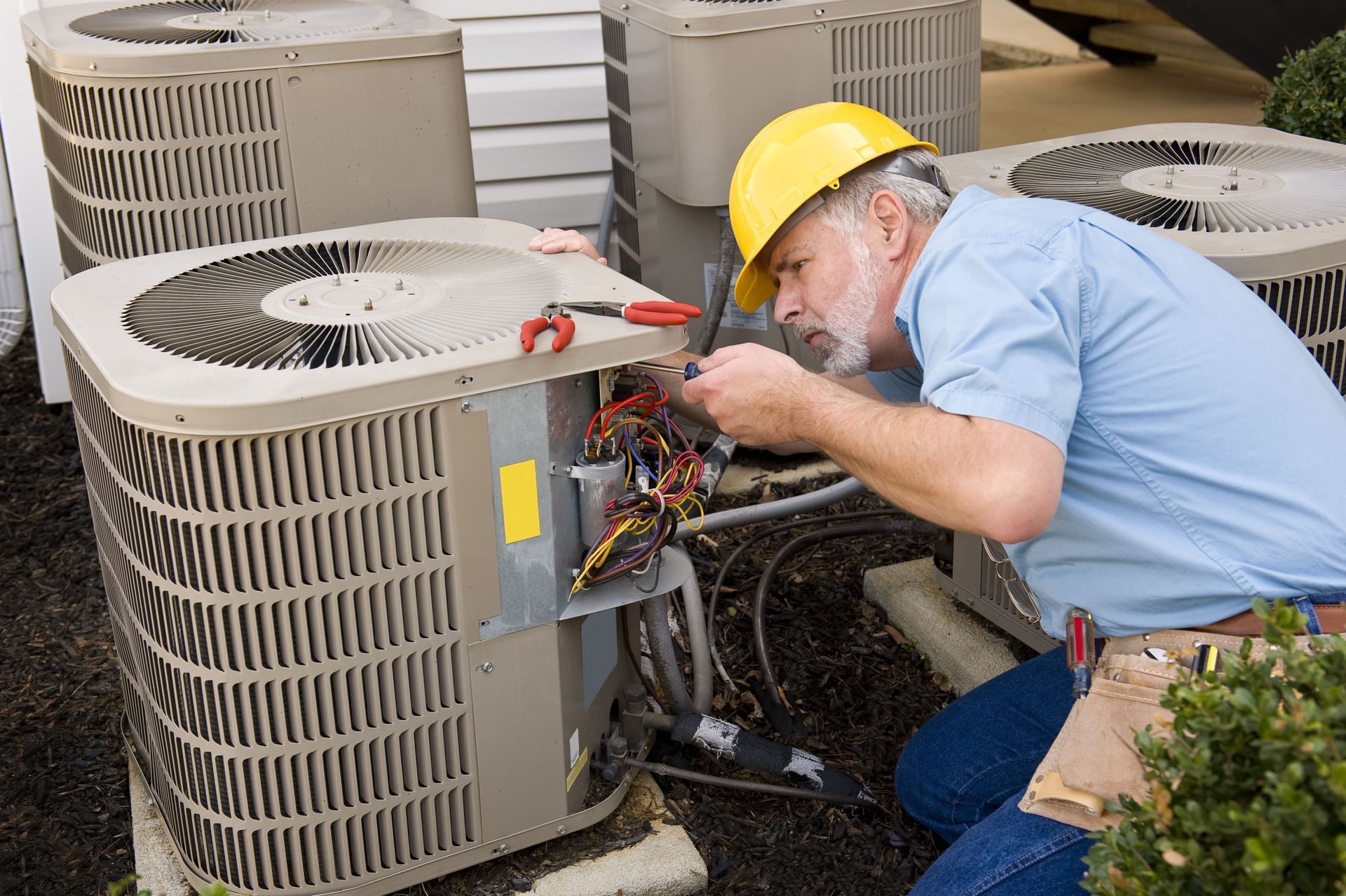
Refrigerant is the vital chemical compound responsible for absorbing heat from inside your home and transferring it outdoors. However, a cooling system will only function properly if it contains the exact refrigerant charge specified by the manufacturer. If a system is undercharged, the evaporator coil can freeze over, leading to liquid refrigerant flooding back into the compressor and causing severe mechanical damage. If the system is overcharged, internal pressures skyrocket, forcing the compressor to work under extreme stress. Certified technicians utilize specialized gauges and digital tools during installation to measure superheat and subcooling levels precisely. This ensures the refrigerant charge matches the precise length of the copper line set, preventing expensive equipment damage and avoiding premature air conditioner service expenses.
Eliminating Hot and Cold Zones
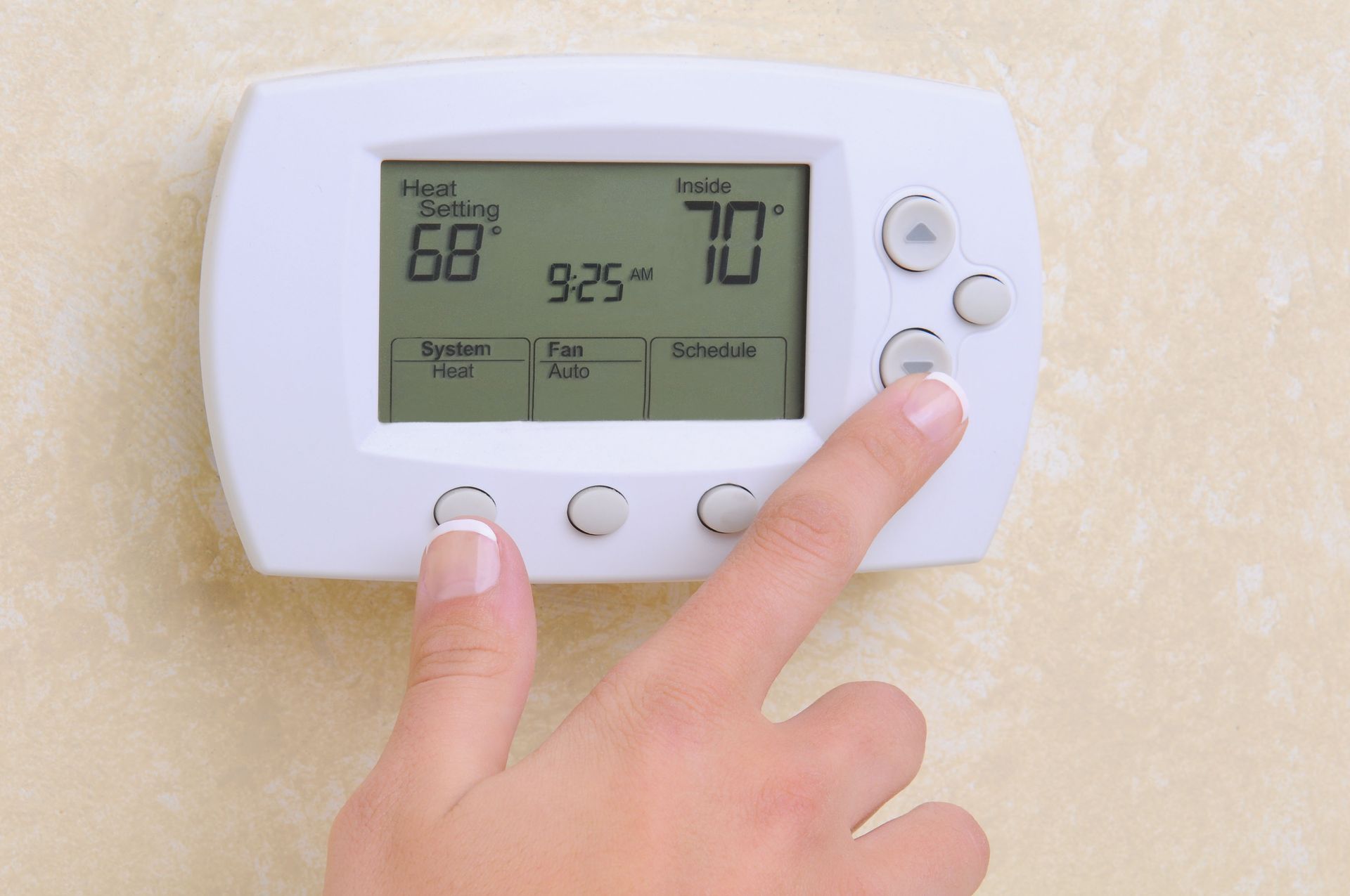
Uneven temperatures across different rooms or floors are one of the most frustrating issues homeowners face during the summer. Upper levels naturally collect heat, while lower levels remain chilly, creating uncomfortable drafty areas and persistent hot spots. A professional installation addresses these temperature variations through balanced supply and return pathways, properly sized duct runs, and optional mechanical zoning systems. By evaluating the thermal dynamics of your entire home, experts ensure that conditioned air is directed exactly where it is needed most. This holistic approach eliminates severe temperature fluctuations, allowing every room in your house to stay consistently cool without requiring you to constantly adjust the thermostat.
Protecting Manufacturer Warranty Coverage
Modern cooling equipment represents a significant financial investment, and leading manufacturers back their systems with extensive warranties covering major components like compressors and coils. However, nearly all equipment manufacturers explicitly state that warranties are only valid if the system is installed by an HVAC professional. DIY attempts or uncertified installations instantly void these protective warranties, leaving the homeowner fully responsible for the cost of replacement parts and major repairs. Securing a professional installation guarantees that all work complies with local building codes and manufacturer guidelines, keeping your warranty intact. Maintaining this coverage, paired with documented, regular air conditioner service, provides long-term peace of mind and financial protection.
Lowering Monthly Utility Expenses
A high SEER2 (Seasonal Energy Efficiency Ratio) rating on a brand-new AC unit promises lower monthly energy bills, but that rating is achieved only under ideal operating conditions. If the unit is installed incorrectly, paired with leaky ducts, or improperly charged, its actual operational efficiency drops dramatically, causing monthly utility bills to spike despite having new equipment. Professional installation ensures that every component—from the outdoor condenser to the indoor air handler and duct connections—operates at peak mechanical synergy. By ensuring that your system achieves its advertised efficiency levels from day one, you maximize your return on investment and ensure that future air conditioner service checks yield consistent, low operating costs year after year.
Achieving a cool, comfortable home during the summer months requires far more than placing a new cooling unit outside your house. True home comfort depends on accurate system sizing, balanced static pressure, sealed and customized ductwork, and precise refrigerant levels—all executed by experienced professionals. When your cooling infrastructure is engineered correctly from the ground up, you enjoy lower energy bills, consistent indoor temperatures, and reliable performance throughout the hottest days of the year. Pairing a high-quality, professional setup with routine
air conditioner service guarantees that your system delivers optimal comfort for decades to come.
Ready to experience true, hassle-free home comfort? Contact the team at Capps HVAC today to schedule your custom AC installation or complete ductwork evaluation. Let our cooling experts build a system that keeps your home perfectly chilled and your energy bills low for years to come!